
Aerostar 601B: Why It Still Turns Heads (and What Smart Owners Know)
Fans of speedy piston twins recognize the Aerostar 601B the way movie buffs spot a classic frame from a mile away. Clean lines. Crisp handling. Serious cruise without turbine bills. If you’re here for straight talk—what is the Aerostar 601B, what numbers you can plan, and whether it fits your mission—you’re in the right hangar. We’ll set the stage with real-world context, sprinkle in Aerostar 601B specifications and performance notes (yes, the mid-teens and high-teens cruise speed KTAS you keep hearing about), and keep the tone friendly enough for newcomers while still satisfying the rivet-counters.
I like to think of the 601B the way sports fans think about a veteran playmaker: it’s not flashy for the sake of it, but when the clock is running, it delivers. A pilot once joked, “It flies like it’s on rails—just don’t forget it’s a rocket with homework.” That’s the charm: fast trips, manageable fuel burn per hour, and a loyal community that shares checklists, stories, and smart fixes.
Before we roll, a quick shout-out to the names you’ll see associated with this airplane and its world: Ted Smith (the aerodynamicist behind the line), Aerostar Aircraft Corporation (stewarding the type), Piper Aircraft (a part of the model family’s corporate history), Lycoming TIO-540 (the muscle), Hartzell Propeller (spinning up front), and the neighbors at the club—Aerostar 600, Aerostar 602P, and Aerostar 700. Add in FAA Airworthiness Directives for the must-do items and the Aerostar Owners Association for the best war stories and smarter ownership. These aren’t just trivia terms; they’re signposts that help you navigate the shopping and owning journey.
What is the Aerostar 601B? It’s an unpressurized, twin-piston performance machine known for high true-air-speed on reasonable fuel, especially when flown by the numbers. Think 200–215 KTAS in the mid-teens on modern engine monitors with thoughtful power management; faster if you go higher and the day is right. The airplane carries energy well. Translation: descents reward planning. Show up late and hot, and you’ll be the one doing the runway walk of shame.
If you’re sizing it up for family trips, the 601B’s sweet spot looks like this: 2–4 people, bags, and 400–800 nm legs. Fans often ask, “Is the Aerostar 601B good for 700-mile trips with family?” Yes—if you’re disciplined with weight and weather, it hits a time-savings sweet spot that makes long drives feel silly. This is where the airplane earns its reputation with entertainment-loving audiences: you get there fast enough to catch the Friday night premiere and still wake up on Saturday ready to explore.
On numbers, owners talk about Aerostar 601B fuel burn per hour in the high 20s to low 30s GPH for an economy mindset, climbing if you push. Some run lean-of-peak with good instrumentation and balanced injectors; others prefer rich-of-peak for cooling or simplicity. Either way, a modern engine monitor isn’t optional—it’s your best friend for CHT/EGT reality, not guesswork.
Let’s address the wallet, briefly, because that’s where dreams meet maintenance quotes. Fans searching Aerostar 601B operating costs per hour want a number they can live with. A sensible all-in hourly budget factors fuel, oil, reserves for the Lycoming TIO-540, prop governance, and the little stuff that always pops up on fast, slippery airframes. The punchline: proactive owners tend to pay less over time. Or as one seasoned pilot put it, “Cheap now is expensive later; expensive now is often cheaper forever.”
And yes, the 601B has its watch-items. Searches like aerostar 601b landing gear rigging problems and aerostar 601b corrosion hotspots aren’t paranoia—they’re smart prep. A good prebuy inspection checklist reads like a treasure map: rigging, gear doors, cables, borescope data per jug, and logbooks with clear AD/SB entries. If “logbook archaeology” sounds like a boring Sunday, remember the goal: you’re buying the airplane’s history as much as its paint.
How does it stack against family members? The Aerostar 600 can be a simpler entry ticket, the 602P adds pressurization for those who want cabin comfort up high, and the 700 is the hot-rod you daydream about when you watch a pole-position lap on TV. Your choice comes down to mission: airports, altitudes, passengers, weather, and how much complexity your schedule and budget can support.
Pop culture wise, the 601B is the sports car cameo in a heist movie—the scene where the crew slips out of town before sunrise, smooth and quick. No cape, no fireworks. Just intelligent speed. It’s also the aviation version of that behind-the-scenes pro every band needs: not the front-person, but the one who keeps the tempo tight so the show lands on time.
If you’re brand-new to twins, the insurance folks will look for recent instrument proficiency and aerostar 601b pilot training requirements met with a type-savvy instructor. Don’t see that as a hurdle; see it as the golden ticket to better rates and calmer flights. A solid checkout teaches energy management, engine-out discipline, and the fine points of staying ahead of this sleek machine.
Finally, a quick word on upgrades, because search interest is high for aerostar 601b avionics upgrade path, autopilot replacement choices, and ADS-B solutions. Prioritize reliability over novelty: WAAS GPS you trust, an autopilot that holds like a pro, and an engine monitor that tells the truth. Speed kits and gap seals? They’re the icing after you’ve baked the cake—rigging and maintenance hygiene come first.
So, why does the Aerostar 601B still turn heads? Because it earns it. Quick where it counts, smart with fuel when flown thoughtfully, and supported by a community that actually picks up the phone. As a favorite line from the ramp goes, “It’s not just an airplane; it’s a promise to leave five minutes earlier—and arrive an hour sooner.” If that sounds like your kind of math, keep reading. We’re just getting started with Aerostar 601B specs, performance insights, costs, maintenance, and a side-by-side look at the 600, 602P, and 700 so you can decide what truly fits your story.
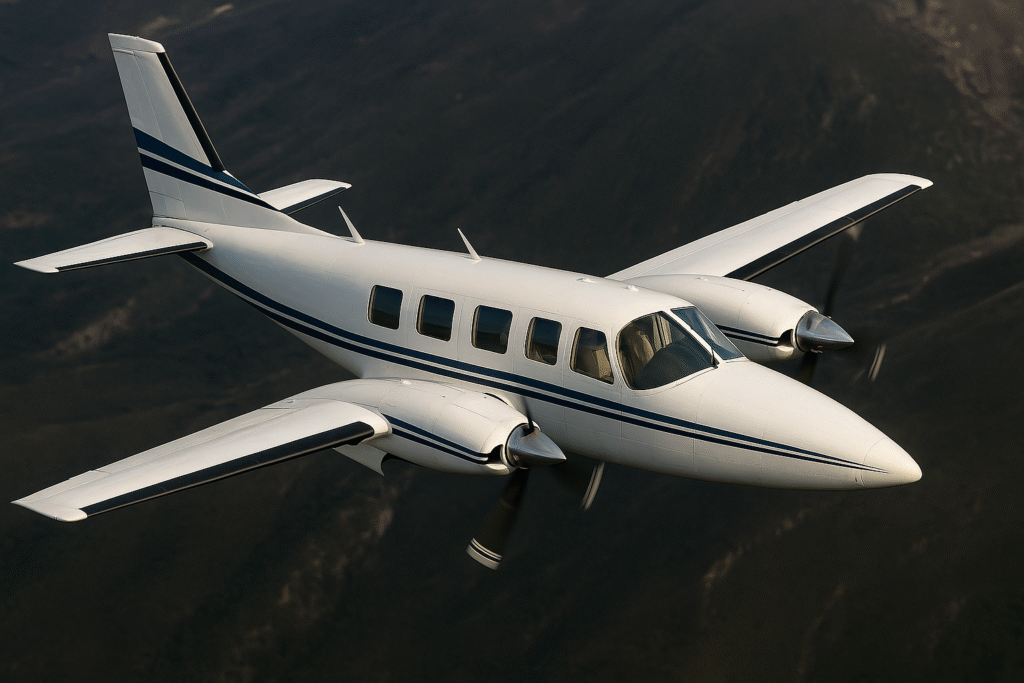
Aerostar 601B Specs & Real-World Performance
If you’re hunting for Aerostar 601B specifications and performance numbers that actually mean something on a Saturday flight, let’s talk like fans, not textbooks. The short version: the Aerostar 601B is a sleek, unpressurized twin that trades frills for honest speed. The longer version: it’s the love child of Ted Smith’s aerodynamic obsession and a community of owners who treat rigging and engine data the way cinephiles treat director’s cuts—meticulous, opinionated, and totally worth it.
Power & props. Under the cowlings you’ll usually meet the Lycoming TIO-540 family—turbocharged sixes that respond well to disciplined temps and fuel flow. Up front, a healthy Hartzell Propeller setup is your metronome. This combo is why the airplane can show that “on rails” feel owners rave about. It’s not a stunt; it’s the aerodynamics and the mid-wing geometry playing nice with mass and thrust. If you’re coming from a fast single, the first thing you’ll notice is how the 601B holds energy. Think “sports car on an open highway,” not “minivan on a hill.”
Speed, the headline every fan wants. The long-tail query “Aerostar 601B cruise speed KTAS at 12,000 feet” gives you a reliable snapshot: plan ~200–215 KTAS in the mid-teens with sensible power. Climb higher on a cool day and you’ll see more. Yes, the stories about watching the TAS tape creep past 220 are real; they come with the fine print of smart mixture control and a clean, well-rigged airframe. That last bit is key—if the airplane hasn’t been rigged carefully, the numbers sag, just like a poorly tuned guitar on stage.
Fuel burn per hour. Another popular search is “Aerostar 601B fuel burn LOP vs ROP.” Here’s the straight talk: economy cruise sits in the high-20s to low-30s GPH total for both engines, depending on temperature, altitude, and how you run mixtures. Plenty of owners fly lean-of-peak with balanced injectors and a modern engine monitor; others prefer rich-of-peak for speed and cooling margins. Don’t guess—watch CHT/EGT like a producer watches the day’s dailies.
Range & payload. For planning, think 400–800 nm as the happy window with 2–4 on board and bags, leaving real reserves. “Can it do 700 miles with the family?” is a forever question; the answer is yes when you respect weight, weather, and winds. The useful load varies with mods, paint, interior, and equipment, so your specific aircraft’s weight & balance rules. A pre-purchase weigh-in is not overkill; it’s how you avoid learning the hard way that your dream panel ate 40 pounds.
Takeoff, landing, and the slippery truth. Queries like “Aerostar 601B takeoff distance at high density altitude” and “landing distance over 50 ft obstacle” spike every summer for a reason. Plan conservatively on 3,000–4,000 ft paved for comfort, minding heat and weight. The airplane will make you look good if you fly the book; it will also remind you quickly if you arrive high and hot. I once heard an owner compare the downwind to a movie chase scene: “Start your setup early, or the editing gets choppy.” Use power first, then gear, then flaps; don’t let speed run away.
Climb & ceiling. Expect a brisk climb when light, tempered by turbo discipline. Keep cowl flaps and temps honest, especially on back-to-back legs. The service ceiling gives you options for weather and winds, but this is still an oxygen airplane. Comfortable, yes; pressurized, no. If your life is 17,000–19,000 feet on most trips, you might eye the sibling with the pressure vessel—more on the Aerostar 602P in a sec.
Handling vibes & autopilot reality. Hand-flying a well-rigged 601B is joy for pilots who like feedback without drama. On crosswinds, the airplane rewards disciplined rudder and trim. The autopilot is either your best friend or your budget eater. When people search “Aerostar 601B autopilot upgrade options”, they’ve usually flown a legacy unit that hunts. Sometimes repair makes sense; sometimes a modern replacement is cheaper than years of bandaids. Pro tip: test every mode under the hood before you call anything “good.”
Comparisons that matter. Fans love the “who would win” match-ups: Aerostar 601B vs 600, 601B vs 602P, 601B vs 700. The 600 is often the simplest entry ticket if condition is right. The 602P buys you cabin altitude comfort and additional systems. The 700 is the hot-rod—more power, more speed, and a maintenance profile to match. Which one’s right? Mission rules: your airports, your passengers, your weather, your budget. If you fly mid-teens with oxygen and prefer fewer systems, the 601B is the sweet spot.
Why rigging is everything. The fastest way to “lose” an Aerostar is sloppy cables or mis-set gear doors. Search interest for “Aerostar 601B landing gear rigging problems and fixes” isn’t internet drama; it’s physics. A calibrated speed run in smooth air—recording OAT, IAS, TAS, MP, RPM, and fuel flow—belongs in every prebuy and annual. Think of it like a studio soundcheck. If the numbers are flat, you don’t blame the song; you tune the instruments.
ADs, SBs, and paperwork that actually saves money. The phrase “Aerostar 601B service bulletins and FAA AD checklist” isn’t glamorous, but it keeps your wallet intact. A complete log trail with FAA Airworthiness Directives and service bulletins noted is proof you’re buying a maintained machine, not a mystery. When something’s missing, you’re funding detective work. That’s why the Aerostar Owners Association is gold—tribal knowledge that points you to shops who know where to look the first time.
Avionics & “go-now” upgrades. You’ll see lots of searches for “Aerostar 601B engine monitor recommendations,” “ADS-B solutions,” and “IFR GPS WAAS.” The order of operations is simple: truth first, toys later. Get an engine monitor that reports CHT/EGT per jug and fuel flow. Add a reliable WAAS navigator you trust in IMC. Only then think about speed mods, gap seals, and aesthetic flourishes. It’s the airplane version of finishing the script before arguing about poster fonts.
Noise, comfort, and the passenger test. On cabin vibe, the 601B is firmly in the “bring headsets, pick your playlist” category. Noise is manageable with modern ANR, and the seating works well for three-to-four adults on medium legs. Pack thoughtfully and it feels road-trip cozy instead of tour-bus crowded. Entertainment fans tell me the real sell is time: leave after work, arrive before the late show, and still have energy for brunch the next morning.
The brand story in one breath. The 601B sits at a crossroads of history—Piper Aircraft once carried part of the Aerostar baton, the type is supported today by Aerostar Aircraft Corporation, and the design DNA traces back to Ted Smith’s pursuit of drag-clean speed. That continuity matters. It’s why parts pipelines exist, why expertise clusters at certain shops, and why the airplane’s reputation keeps pulling fans back for a second look.
Put it all together and you get a clear picture: the Aerostar 601B is quick where it counts, honest about fuel, and happiest in the hands of owners who treat data like good gossip—checked, shared, and acted on. Fly the book, stay ahead of temps, keep the rigging tight, and the performance headlines people search for stop being rumors and start being your Tuesday. Stay tuned for the money side, because the operating-cost math is where daydreams meet decisions.
Up next: let’s talk dollars, sense, and how to budget like a pro.
Aerostar 601B Operating Costs, Insurance & Ownership Math
Let’s talk money, because every fast airplane has two speeds: cruise and cash burn. The Aerostar 601B wins fans by going quick without demanding turbine fuel budgets, but it still expects an owner who plans. Think of it like a favorite touring band: tickets are reasonable, the performance is tight, and the encore rocks—provided you’ve paid the crew, tuned the guitars, and fueled the bus.
Fuel: the headliner expense. Real owners report economy cruise in the high-20s to low-30s GPH total for both engines, and more when you push. Whether you run LOP or ROP, the rule is the same—watch temps and fuel flow, not wishful thinking. The Lycoming TIO-540 rewards discipline; abuse it and you’ll pay at overhaul time. I treat the mixture levers like a sound engineer treats faders: small moves, constant listening, never redline the board.
Oil, plugs, filters, and the “it’s only fifty bucks” trap. Consumables sound cheap until they show up together. Budget a modest monthly line for oil and filters, then double whatever your gut says for shop supplies and small hardware. Spark plug life improves wildly if you lean properly on the ground; your runup should look more like a careful soundcheck than a last-minute scramble.
Maintenance & reserves. A healthy Aerostar 601B at typical private-owner utilization often lands in the $180–$260 per flight hour all-in range if you’re proactive—fuel, oil, routine labor, and sensible reserves for engines, props, turbos, and avionics. Ignore little squawks and that number balloons. The airframe is slippery and honest; small rigging errors hide big speed losses. Budget for a dedicated rigging check each year. I once bought “cheap speed” by adjusting gear-door timing and a mis-tensioned cable—like removing a backpack you forgot you were wearing.
Props & accessories. Treat the Hartzell Propeller line items with respect. Calendar limits arrive whether you fly or not, and props live hard lives at the front of a fast twin. Keep a reserve for governor and hub work, and don’t flinch at replacing tired de-ice boots or wiring if equipped. Nothing ruins a weekend like a prop AD you didn’t plan for.
AD/SB compliance: the boring hero of low costs. The phrase to memorize is FAA Airworthiness Directives. A clean ledger saves money later because it keeps you out of “mystery time.” Ask the shop to maintain a living AD/SB list for your serial number and engines. Paperwork isn’t glamorous, but it’s cheaper than troubleshooting blind—exactly why the Aerostar Owners Association is worth the dues. Veteran owners will happily tell you which SBs are must-do versus “do when the cowlings are already off.”
Insurance & training: the two-step. Underwriters like two things: recency and instruction. New to twins? Expect a mentor requirement and a named-instructor checkout before solo. Recent instrument work, multi time, and type-specific training all improve terms. If you’re stepping up from a quick single, sell the insurer on your procedures: engine management, energy planning, and emergency flow. It’s the aviation version of a press tour—you need a crisp story.
Hangar vs. tie-down. Park indoors. The Aerostar 601B ages better under a roof, and your paint, plexi, and seals will thank you. Every time I’ve tried to “save” on hangar rent, I’ve paid triple later in weathering and leaks. Call it what it is: preventative medicine.
Upgrades that actually earn their keep. You’ll see searches for “Aerostar 601B avionics upgrade path” and “engine monitor recommendations.” Put truth first: an engine monitor with CHT/EGT per jug and reliable fuel flow changes your life. Next, a WAAS GPS you trust when the clouds lower and the runway lights look far away. Autopilot? If your legacy unit hunts, price a modern replacement instead of bleeding out with patchwork repairs. Speed kits and gap seals are the dessert; rigging, reliability, and good data are the meal.
Annuals: the reality show nobody wants to star in. A predictable annual demands two things—solid logbooks and a shop that genuinely knows Aerostars. When an inspector understands common 601B squawks (gear door timing, cable tensions, fuel-selector feel), they’ll find issues before they snowball. If you hear “we’ll figure it out as we go,” that’s a season finale you can’t afford. Ask which Aerostars they’ve touched this year, not last decade.
Market math: buy the story, not the paint. Prices swing with engine times, avionics depth, and maintenance history. A tired panel and honest logs beat a glossy wrap over missing paperwork every time. If the seller says “it’s fast,” prove it with a calibrated speed run—OAT, IAS, TAS, MP, RPM, fuel flow—then compare to peers. A slow Aerostar is a rigging project waiting for a calendar slot, which is fine if the number reflects it. Think like a producer: does the script (logs) match the trailer (photos)?
602P/700 curiosity tax. It’s natural to peek at the neighbors—the Aerostar 602P and Aerostar 700. The 602P buys cabin altitude, but pressurization adds systems, weight, and extra discipline. The 700 adds power and swagger, then sends you a bigger maintenance bill. Many owners circle back to the Aerostar 601B because the speed-per-dollar ratio is hard to beat if you’re comfortable with oxygen and prefer fewer systems.
Parts and support landscape. The good news is that Aerostar Aircraft Corporation exists to steward the type, and that matters when you need expertise or specific bits. Piper Aircraft is part of the historical tapestry, but your day-to-day lifelines are specialized shops and the owners’ network. Keep a short list of vendors who answer the phone and ship on time. Late parts cost more than the invoice; they cost weekends and goodwill.
Owner involvement: the secret discount. The best savings are free: fly regularly, log data, wash the airplane, open inspection panels with your IA, and keep a punch list that never gets “too big to start.” After flights I jot down three items—something I heard, something I saw, something I felt. That habit has caught loose connectors, lazy trim, and a chafing hose before they graduated into line-item drama.
The quick budget sketch. For planning: fuel (primary), maintenance/reserves (second), insurance, hangar, charts/subscriptions, and training. Then a realistic upgrade bucket over 12–24 months. If you buy well, the 601B lets you go fast without living at the shop. If you buy on paint, you’ll spend your Saturdays learning new swear words. Choose your adventure.
Bottom line: the Aerostar 601B is a speed bargain that expects a thoughtful owner. Feed the TIO-540s good fuel and air, keep the rigging sharp, respect AD/SB paperwork, and let training smooth the edges. Do that and your operating costs flatten, your dispatch rate climbs, and your grin gets suspiciously permanent—just ask the folks swapping stories at the Aerostar Owners Association. Now, lace up your accountant shoes and keep the prop turning.
Final Thoughts on the Aerostar 601B
The Aerostar 601B isn’t a hanger queen or a museum piece. It’s a fast, honest twin that pays you back every time you plan your energy, watch your temps, and keep the paperwork tight. The design DNA runs straight through Ted Smith, with support today from Aerostar Aircraft Corporation and a fanbase that swaps tips through the Aerostar Owners Association. Under the cowlings, the Lycoming TIO-540 does the heavy lifting; up front, a healthy Hartzell Propeller keeps the beat; and a clean rig makes the numbers sing. You’ll see nods to history with Piper Aircraft, and you’ll live day-to-day by smart compliance with FAA Airworthiness Directives. If your mission is 400–800 nm with people you like, and you’d rather spend your weekend flying than waiting for a gate, the 601B’s speed-per-dollar math is tough to ignore. In short: it’s the sports car cameo in your travel movie—quiet swagger, quick exits, memorable arrivals.
FAQs — Straight Answers for Fans and Future Owners
How fast is an Aerostar 601B in the mid-teens?
Plan about 200–215 KTAS around 10–14k feet with sensible power settings and a well-rigged airframe. Climb higher on a cool day and you can see more. If your numbers lag, check rigging, gear-door timing, and engine health before blaming the airframe.
How much fuel does an Aerostar 601B burn per hour?
Economy cruise typically sits in the high-20s to low-30s GPH total for both engines. Push harder and you’ll pay more. The real key is an engine monitor—watch CHT/EGT per jug and fuel flow rather than chasing folklore.
What upgrades add the most value to an Aerostar 601B?
Start with truth tools: a modern engine monitor (per-cylinder), reliable WAAS GPS/IFR stack, and an autopilot that holds like a pro. After that, consider speed/efficiency mods (gap seals, rigging clean-up). Fancy interiors are nice; verified performance sells.
What are the most common issues with the Aerostar 601B?
Three usual suspects: rigging (cable tensions, gear doors), fuel system (selectors, lines, seep checks), and paperwork gaps (missing AD/SB proof). None are deal-breakers when caught early; all are expensive when ignored.
Can you run lean-of-peak (LOP) in an Aerostar 601B safely?
Yes—many owners run LOP with balanced injectors, tight ignition, and a quality engine monitor. Others prefer ROP for speed and cooling. Either way, manage TIO-540 temps with a light touch and confirm results during a structured test flight.
Is the Aerostar 601B good for 700-mile trips with family?
It’s a sweet spot for the 601B. With 2–4 aboard, sensible baggage, and weather awareness, that 650–750 nm window is exactly where the airplane shines—arrive in time for the Friday show, wake up ready for brunch.
What insurance do I need to fly an Aerostar 601B?
Typical policies want recent instrument proficiency, multi time, and type-specific training. New owners may see a mentor requirement. Keep clean logs, complete FAA Airworthiness Directives, and a tidy maintenance record to help your premium.
What’s a realistic Aerostar 601B price range right now?
Market value swings with engine/prop times, avionics, and logs. Expect a spread from “mid-time, older panel” to “fresh panel, strong records.” Buy the history, not the paint: borescope reports, AD/SB ledger, and a calibrated speed run are worth more than glossy photos.
What should be on my prebuy inspection checklist?
Borescope and compressions; fuel system leak and selector feel; gear swing with door timing; control-cable tensions; corrosion look in gear wells and under fairings; autopilot mode checks; AD/SB ledger; and a measured TAS run (record OAT, IAS, MP, RPM, fuel flow). Invite a shop that actually sees Aerostars.
Which autopilot options make sense for the 601B?
If a legacy unit hunts, price a modern replacement rather than endless repairs. A stable altitude/heading/nav hold and solid approach mode reduce workload and please insurers. Test every mode under the hood during prebuy; don’t accept “it worked last year.”
How much runway does the Aerostar 601B really need?
Comfort planning is ~3,000–4,000 ft paved depending on weight, DA, and technique. Hot/high/high-weight days ask for conservative margins. Fly the book: power management first, then gear, then flaps—and start early so you’re not doing the “runway walk of shame.”
Should I consider a 602P or 700 instead?
The Aerostar 602P adds pressurization (comfort up high) with more systems and maintenance. The Aerostar 700 adds power and speed—and a bigger wallet. If you’re happy with oxygen in the teens and want speed per dollar, the 601B is the value play.
How strong is parts and community support?
Healthy. Aerostar Aircraft Corporation supports the type, specialist shops know the quirks, and the Aerostar Owners Association is a knowledge goldmine. Historical ties to Piper Aircraft exist, but your day-to-day wins come from the Aerostar-specific network.
Any quick budgeting tips before I commit?
Plan all-in hourly with fuel at the top, then maintenance/reserves, insurance, hangar, subscriptions, and training. Keep an upgrade fund for engine monitoring and a dependable IFR stack. Regular flying and small, fast fixes save more than heroic annuals ever will.
If this helped, keep your list handy—numbers for the head, stories for the heart, and a 601B ready for the next runway lights.