
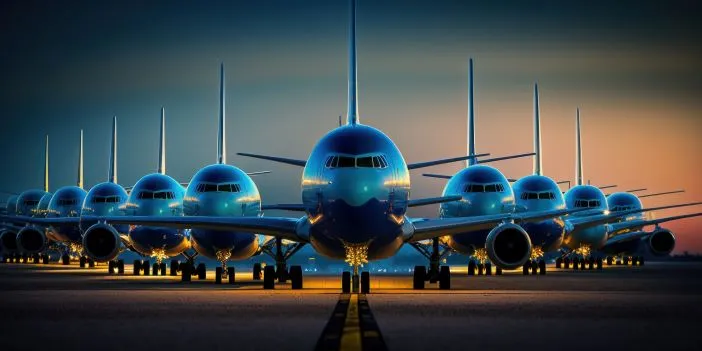
Airline Fleet Planning: How MUNDIAEREO Helps Airlines Build Smarter Fleets
Airline fleet planning may sound like a mouthful, but at its core it’s a very human puzzle: how do you balance ambition, money, and time while making sure the show goes on? Think of it like a band on tour. You’ve got a setlist, cities to hit, and fans to please, but if one guitarist’s amp blows up mid-set, the whole night goes sideways. In aviation, the “amps” are multi-million-dollar aircraft, and the “fans” are passengers who expect to get from New York to Quito without a hiccup. That’s where smart airline fleet planning comes in.
Let’s be clear: this isn’t just an internal airline headache. Fleet decisions ripple across everything we care about in travel—ticket prices, carbon emissions, even the seats we squeeze into when flying economy. If you’ve ever muttered “why is this plane so old?” while wrestling your carry-on into the overhead bin, you’ve already brushed against the real-world consequences of sloppy planning. MUNDIAEREO steps into that chaos with strategies that are as much about people as they are about airplanes.
Here’s where the long-tail conversations happen: people search “how to optimize airline fleet planning for cost efficiency” or “predictive maintenance strategies for commercial airlines” because they want straight answers, not corporate jargon. Airlines don’t just want more planes—they want smarter ones. They want tools to improve aircraft utilization rates, ways to optimize fuel efficiency in airline operations, and answers to whether leasing is better than buying. These aren’t abstract ideas. They’re the same kind of practical decisions you and I make when we’re weighing Uber versus owning a car, just scaled to a global stage with billions of dollars at stake.
To ground this, let’s look at the key players that shape this story every single day:
- Airlines
- Aircraft manufacturers
- Fleet optimization
- Route planning
- Maintenance scheduling
- Fuel efficiency
- Aircraft utilization
- Demand forecasting
- Sustainability in aviation
- Regulatory compliance
Each of these isn’t just a bullet on a slide deck. They’re pressure points. If one slips, the whole operation wobbles. Remember when a certain pop star postponed an entire tour because her stage rigging couldn’t travel on time? Airlines face that kind of drama daily, only instead of disappointed fans they’ve got thousands of stranded passengers and headlines blasting across social media. That’s why airline fleet planning is no longer a back-office task—it’s frontline business survival.
Here’s a personal story: I once flew on a regional jet that was so tiny the carry-on bags had to be checked at the gate. A fellow passenger joked, “This thing looks like it belongs in a Fast & Furious spin-off.” Funny, yes, but also telling. That flight had been downgraded because the original aircraft was in maintenance. Passengers ended up on a smaller plane with fewer seats, which meant overbooking drama and plenty of complaints. That’s what poor demand forecasting and sloppy scheduling feel like to the customer. And that’s the stuff MUNDIAEREO helps airlines avoid.
Fans of entertainment love behind-the-scenes stories. Airline fleet planning is exactly that—a behind-the-scenes production that most people never think about until something goes wrong. It’s like watching your favorite series and realizing the episode feels “off” because the lead actor was filming another project and the script had to work around it. In aviation, if an aircraft type is unavailable, planners juggle substitutions, adjust routes, and shuffle crews. Done well, nobody notices. Done poorly, everyone talks about it.
MUNDIAEREO’s edge comes from marrying the nitty-gritty—like maintenance scheduling and predictive analytics—with bigger picture goals: fuel efficiency, sustainability in aviation, and regulatory compliance. In practical terms, that means helping airlines plan not just for today’s flights but for tomorrow’s acquisitions. It means answering questions like: should you buy that new aircraft model, lease it under a wet lease, or stretch the life of your current fleet with smarter utilization? These aren’t boardroom fantasies; they’re survival tactics.
And if you think sustainability is just lip service, think again. Airlines are under fire—literally—every time a climate report hits the news. Passengers notice too. They ask why their favorite airline is flying gas-guzzling planes while others brag about eco-friendly fleets. Smart airline fleet planning weaves sustainability into the decision tree: fewer emissions, better fuel burn, and more efficient routes. It’s not about saving the planet in one stroke—it’s about shaving inefficiencies off every single flight until the system hums.
So, why should the average traveler—or even a fan who just loves aviation stories—care about all this? Because it touches everything. From the price of your next ticket to the reliability of your flight schedule, from the design of the aircraft you sit in to the carbon footprint stamped on your conscience. Just as movie studios live and die by casting decisions, airlines live and die by fleet decisions. And when MUNDIAEREO steps into that casting director’s chair, the script doesn’t just work—it sings.
Why Airline Fleet Planning Matters in 2025
Picture this: you’re at a concert waiting for your favorite band, but the drummer is stuck in traffic, the bass player is sick, and the stage lights keep flickering. The show must go on, but it’s already a mess. That’s what airline operations look like when airline fleet planning is weak. Flights are delayed, costs skyrocket, and customers start firing off angry tweets faster than you can say “boarding group C.” The big difference? A bad concert might ruin one night. Poor fleet planning can damage an airline’s reputation for years.
So why is airline fleet planning so important right now, in 2025? Because the industry is at a crossroads. Airlines aren’t just juggling fuel prices, they’re facing louder conversations about sustainability, the need for efficient maintenance scheduling, and unpredictable spikes in passenger demand. Toss in new regulatory compliance rules and an audience of climate-conscious travelers, and suddenly planning a fleet feels like directing a Marvel movie where every character insists on being the star.
The entertainment fans reading this will recognize the drama. Remember when HBO recast a Game of Thrones character between seasons and viewers noticed instantly? Airlines face the same scrutiny when they swap out wide-body aircraft for smaller regional jets. Passengers know. They feel the change in legroom, service, and flight comfort. This is where entities like airlines, aircraft manufacturers, route planning, and aircraft utilization start pulling their weight. Every decision filters down to the experience of sitting in seat 23B, wondering why your knees are in your chest.
Airline executives love to talk about “fleet optimization,” but let’s keep it simple: it’s about making the most of what you’ve got while preparing for what’s coming. Airlines must decide whether to extend the life of aging planes or replace them with fuel-efficient models. They have to weigh the cost of short-term leases against long-term acquisitions. If you’ve ever debated whether to buy a car outright or stick with Uber rideshares, you’ve had your own micro version of this struggle. Scale that up with billions of dollars and you’ve got airline fleet planning.
Here’s where it gets spicier: demand forecasting is more unpredictable than ever. One month, flights to the Caribbean are packed because everyone wants sun. The next, routes to major cities spike because of international concerts or sporting events. It’s like trying to predict which Netflix series will blow up next—suddenly everyone’s obsessed with a show you’d never heard of last week. Without accurate forecasting, airlines risk having too few planes on hot routes or wasting capacity on flights nobody wants.
And let’s not forget sustainability in aviation. The headlines are unforgiving. Just last month, a European carrier got dragged on social media after it was revealed half of its fleet was still running old, inefficient aircraft. Fans—and critics—noticed. Passengers are savvier now; they ask which aircraft type they’re flying on and post their experiences online. In a world where Taylor Swift can crash Ticketmaster with demand, travelers can just as easily damage an airline’s credibility with a single viral thread about fuel-guzzling jets. MUNDIAEREO’s role is helping airlines prepare, not scramble, when these moments arrive.
On a personal note, I once booked a ticket expecting to fly a new Boeing Dreamliner. Sleek, modern, better air quality—the works. Instead, I ended up on a decades-old plane that felt like a relic from an aviation museum. No one explained why. I later learned the original aircraft was under unexpected maintenance. That swap happened because the airline’s fleet planning couldn’t cover the disruption efficiently. To the average passenger, it felt like a bait-and-switch. To me, it was a lesson in why predictive maintenance isn’t just a fancy phrase; it’s the backbone of trust.
Think of fuel efficiency like the box office. If a film’s production costs spiral, it must dominate theaters just to break even. Airlines face the same math every time a plane burns more fuel than it should. Without sharp planning, margins vanish, and the airline ends up in a sequel nobody wants: financial trouble. That’s why choosing the right aircraft at the right time is as crucial as picking the right lead actor for a blockbuster.
And let’s circle back to regulatory compliance. It’s not glamorous, but it’s as unavoidable as ratings boards in Hollywood. Airlines can’t just wing it (pun intended). They have to stay ahead of evolving rules on emissions, noise levels, and passenger safety. Miss a beat, and it’s not just fines—it’s the equivalent of a movie being pulled from theaters opening weekend. The stakes couldn’t be higher.
So, why does airline fleet planning matter in 2025? Because the game has changed. Airlines are balancing on a tightrope stretched between profitability and accountability. Every choice—whether it’s about maintenance scheduling, route planning, or demand forecasting—impacts both the passenger’s experience and the airline’s bottom line. For travelers, it’s the difference between a smooth journey and a travel horror story. For airlines, it’s survival. And for MUNDIAEREO, it’s the opportunity to show how expertise in fleet management can turn turbulence into smooth skies.
That’s why this subject isn’t dry technical talk—it’s living drama, as gripping as any series finale or backstage scandal. And just like entertainment fans gossip about casting changes, audiences everywhere are already watching how airlines play their fleet-planning cards this year. The show isn’t over—it’s just heating up.
Key Factors in Successful Airline Fleet Planning
If airline fleet planning were a blockbuster, the key factors would be the star cast, the director, and the script that keeps audiences glued. Miss one element, and you’ve got a flop that nobody wants to buy tickets for. In aviation, the “cast” includes airlines, aircraft manufacturers, maintenance scheduling teams, route planning experts, and the regulators waiting in the wings. Each piece has to come together seamlessly if an airline wants its show to run without boos from the audience—better known as passengers.
So, what makes the difference between successful airline fleet planning and the kind that spirals into chaos? Let’s walk through the big players, and yes, there will be some juicy parallels to the entertainment world you already know and love.
First up: demand forecasting. Airlines must play fortune teller more often than a character in a sci-fi drama. They’re constantly asked: where will people want to fly six months from now, a year from now, or even five years ahead? The problem is, passengers are fickle. Remember when everyone was obsessed with “Tiger King” during lockdown, only for that hype to vanish almost overnight? Travel demand isn’t that different. One day a destination is hot, the next it’s ice cold. A strong forecast keeps airlines from wasting capacity, just like a studio invests in a sequel only if it knows audiences will turn up.
The second factor: aircraft acquisition. This is where aircraft manufacturers come in. Should the airline buy a shiny new jet, or lease one under a short-term deal? It’s the aviation version of buying a luxury car versus subscribing to a rideshare service. Both work, but the risks and rewards couldn’t be more different. Leasing might mean flexibility, but buying builds long-term value. A colleague once told me about his airline purchasing older jets just to save upfront cash, only to spend millions more later on fuel and maintenance. That’s the equivalent of shooting an indie film with bargain cameras and wondering why it doesn’t look like an Oscar contender.
Then comes fleet optimization, the unsung hero of the process. Airlines have to decide how to use their aircraft in the smartest way possible. This means pairing the right jet with the right route, considering everything from distance and passenger load to fuel efficiency. Put a massive wide-body jet on a route where only half the seats sell, and it’s like booking Madison Square Garden for a garage band. Conversely, try to squeeze a full summer crowd onto a tiny regional plane, and you’re begging for bad press. Smart optimization keeps airlines in tune with their customers—and their bottom line.
Maintenance scheduling deserves its own spotlight. Nobody wants to talk about it until something goes wrong, much like sound design in a film. You rarely notice it unless it’s awful, and then it
Sustainability and Green Fleet Strategies
When people talk about airline fleet planning in 2025, they can’t escape one word: sustainability. It’s not just a trend; it’s the audience throwing popcorn if the movie gets it wrong. Airlines are under the spotlight, with regulators, passengers, and even celebrities calling them out for dirty skies. Remember when Leonardo DiCaprio flew private to a climate event and the internet roasted him alive? That’s the pressure airlines face every day—but at a scale that makes Hollywood scandals look like tabloid fluff.
Sustainability in aviation begins with fuel efficiency. Planes guzzle fuel like rock stars guzzle bottled water on tour. If an airline ignores efficiency, the costs spiral, and so do the headlines. One airline I flew with proudly announced it was deploying a new aircraft model to “cut emissions.” Passengers actually applauded when the captain mentioned it. It was a rare moment where corporate planning met fan appreciation—like Marvel revealing the next Avengers cast. The point is: people care, and they notice.
Next up, aircraft utilization. Flying a giant wide-body jet half empty is like renting out a stadium for a garage band rehearsal. Smart sustainability strategies mean matching the right aircraft to the right routes. That’s where route planning ties in. Airlines use data to figure out which routes can be downsized without angering passengers and which ones need extra capacity. Think of it as programming a music festival lineup—you can’t have Beyoncé on the side stage while a local act headlines the main one. Get the order wrong, and fans revolt.
Maintenance scheduling plays a hidden role in sustainability too. A poorly maintained engine burns more fuel, pumps more emissions, and risks delays that make operations dirtier, not greener. I once sat on the tarmac for three hours because of a “last-minute maintenance check.” By the time we finally took off, the wasted fuel could’ve powered a small town. That’s the danger of sloppy scheduling—it’s not just inconvenient; it’s environmentally costly.
Aircraft manufacturers have stepped up with models designed for lower emissions and quieter operations. Airlines that integrate these into their fleets look modern and responsible, while those that cling to outdated planes look like studios still pushing VHS in the streaming era. Sustainability is not just about saving the planet; it’s about staying competitive. An airline refusing to modernize will lose customers faster than a canceled Netflix series.
But let’s get personal. I once booked a budget airline flight and noticed passengers whispering when they saw the ancient aircraft waiting at the gate. “This thing looks like it should be in a museum,” someone muttered. It wasn’t just about comfort—it was about trust. Passengers equated old planes with higher emissions and risk. That moment drove home the truth: sustainability isn’t just technical, it’s emotional. Travelers want to feel they’re making responsible choices, and airlines that don’t get that are tone-deaf.
Demand forecasting also has a green angle. Airlines predict when and where passengers will travel to avoid unnecessary flights. Too many empty planes in the sky equals wasted emissions. It’s like throwing a party and inviting fifty guests, but only five show up—you still wasted food, energy, and time. The smarter the forecast, the fewer empty flights, the greener the skies.
Of course, regulatory compliance looms over everything. Governments are tightening emission standards, and airlines can’t plead ignorance. It’s as strict as MPAA ratings in cinema—miss the mark, and you’re barred from the biggest theaters. Airlines need systems that track, report, and reduce emissions in real-time. Compliance isn’t optional; it’s survival. And passengers, especially younger ones, expect nothing less. Climate consciousness is their thing. If an airline ignores it, it risks being canceled harder than a TV show with a disastrous pilot.
Even fleet optimization plays into sustainability. Airlines design rotations to reduce unnecessary fuel burn, limit deadhead flights, and balance aircraft hours. It’s meticulous work, but the rewards are clear: lower emissions, lower costs, and smoother operations. Done right, it’s like editing a film down to its tightest, sharpest cut. Done wrong, it’s bloated, messy, and expensive.
For airlines, embracing sustainability is no longer a nice PR move—it’s mandatory casting. The audience is watching, critics are sharp, and regulators are ready with fines. Whether through greener aircraft, smarter route planning, or tighter maintenance schedules, the strategies that succeed are those that blend responsibility with efficiency. To put it in entertainment terms: the airlines who fail to adapt will fade out like forgotten one-hit wonders, while those who embrace green fleet strategies will keep selling out arenas.
How MUNDIAEREO Supports Airlines in Fleet Planning
Here’s the twist in our story: all this talk about airline fleet planning—the challenges, the moving parts, the audience pressures—doesn’t mean much if airlines don’t have the right partner backstage. That’s where MUNDIAEREO steps into the spotlight. Think of us as the showrunner of your favorite series: the one making sure the writers, actors, and set designers don’t wander off in different directions. Without that steady hand, the series turns messy; with it, everything flows, and fans keep tuning in.
MUNDIAEREO helps airlines navigate the seven big pressure points that decide success or failure: demand forecasting, aircraft acquisition, fleet optimization, maintenance scheduling, route planning, sustainability, and regulatory compliance. These aren’t abstract concepts—they’re daily battles. When airlines work with us, they gain strategies that cut through noise and deliver clarity. To borrow a movie reference, it’s the difference between a low-budget production struggling to stay coherent and a well-directed blockbuster where every scene feels intentional.
Take demand forecasting. Airlines often struggle to predict surges tied to global events—whether it’s a Taylor Swift world tour, a FIFA World Cup, or a sudden travel trend hyped on Instagram. MUNDIAEREO’s tools crunch the data to anticipate spikes so airlines can shift fleets without last-minute chaos. A client once told us we saved them from overbooking disasters during a major festival. That’s not just logistics—it’s protecting the brand from becoming the butt of late-night comedy jokes.
Aircraft acquisition is another area where our expertise shines. Should an airline buy, lease, or upgrade? We help weigh the numbers and the timing. Choosing wrong can sink profits for years. Think of it like casting: pick the wrong lead for a franchise, and the sequels flop. Pick right, and you’ve got the next billion-dollar series. Airlines face those decisions constantly, and we’re there to guide them toward the winning roles.
With fleet optimization, we bring airlines the data and insights to align aircraft with routes that make sense. That means no more flying half-empty wide-body jets across short hops or overstuffing regional planes on peak days. Optimization reduces costs and cuts emissions, but more importantly, it keeps passengers happy. Nobody wants to feel like they got downgraded from IMAX to VHS because the airline mismanaged its lineup. With our support, passengers feel like they’re getting the premium experience, even when flying economy.
Maintenance scheduling is one of those areas where people only notice when it fails. Miss an inspection, and the fallout is brutal: canceled flights, stranded passengers, and media coverage that lives online forever. At MUNDIAEREO, we use predictive models and scheduling expertise to keep fleets humming without drama. I once spoke to an airline executive who admitted they lost millions from a week of grounded aircraft because they hadn’t planned maintenance around peak season. That kind of mistake doesn’t have to happen when you’ve got the right backstage team.
When it comes to route planning, we help airlines strike the perfect balance between profitable routes and prestige ones. Everyone knows some flights exist for reputation, not profit—like studios funding award-winning indie films alongside big-ticket franchises. But route networks can’t be ego-driven alone. With our support, airlines build schedules that keep both passengers and investors satisfied, without stretching fleets thin.
Sustainability in aviation isn’t optional anymore—it’s demanded by passengers and enforced by regulators. Airlines that don’t adapt are treated like celebrities caught ignoring climate pledges. MUNDIAEREO integrates sustainability into fleet strategies: greener aircraft recommendations, smarter rotations, and compliance tracking.
Final Thoughts: Keeping the Drama on the Screen, Not at the Gate
Airline fleet planning may not have the flashing lights of a concert stage or the cliffhangers of a binge-worthy series, but make no mistake—it’s show business at its highest stakes. Every decision—whether it’s buying or leasing planes, scheduling maintenance, optimizing routes, or going greener—affects passengers in ways they feel the moment they check in. Airlines that get it wrong become the headline nobody wants. Airlines that get it right keep the applause going long after landing.
That’s where MUNDIAEREO thrives: we bring clarity to chaos, strategy to scheduling, and sustainability to skies that desperately need it. For passengers, this means reliable flights, fairer fares, and quieter consciences. For airlines, it means survival and growth in an industry where one misstep can feel like a franchise-killing flop.
So the next time you board a plane and wonder why things feel seamless, remember: behind that calm cabin is an orchestra of planning, data, and strategy. And MUNDIAEREO is proud to be one of the conductors making sure the symphony doesn’t go off-key.
Frequently Asked Questions About Airline Fleet Planning
What is the importance of the fleet-planning process for short-term and long-term airline decisions?
Fleet planning is critical because it balances today’s realities with tomorrow’s ambitions. Short-term, it ensures enough aircraft are available for daily demand without overcommitting resources. Long-term, it’s about aligning acquisitions, retirements, and sustainability targets with future market trends. Without it, airlines risk overspending, under-serving passengers, and missing regulatory deadlines. Think of it like a TV network scheduling shows—you need quick hits now and big projects that will still draw audiences five years later.
How do airlines plan their fleet structure and decide which aircraft to acquire next?
Airlines consider passenger demand, route profitability, fuel efficiency, and acquisition costs. They weigh whether to buy, lease, or upgrade based on how each option fits their growth strategy. It’s very similar to casting in Hollywood: you don’t just hire a big-name actor; you choose someone who fits the script, the budget, and the franchise future.
How do airlines manage routes when aircraft are undergoing heavy maintenance (B-checks, C-checks)?
Airlines use backup aircraft, leasing agreements, and schedule adjustments to cover downtime. Smart maintenance scheduling ensures planes are rotated out during off-peak seasons when possible. When planning fails, it’s like sending an understudy on stage without rehearsal—chaotic and noticeable. That’s why predictive maintenance and accurate scheduling are vital.
What goes into the airline fleet decision process—like forecasting traffic (RPK), calculating needed aircraft (ASK), and estimating productivity and costs?
This decision process combines demand forecasting, financial modeling, and operational efficiency analysis. Airlines project traffic growth, measure how many seats they can sell, and match that against aircraft performance and costs. It’s the aviation equivalent of a studio balancing box office expectations with production budgets: if the numbers don’t line up, the project stalls.
What are the most common questions asked about fleet management software?
People want to know: Does it integrate with existing systems? Can it track maintenance in real-time? Does it handle regulatory compliance automatically? And, perhaps most importantly, will it actually reduce costs and delays? In other words, does it do more than just spit out pretty dashboards? Airlines need answers that go beyond surface-level features and show real-world savings.
How does sustainability impact airline fleet planning today?
Sustainability isn’t optional anymore—it’s demanded by regulators and expected by passengers. Airlines must choose greener aircraft, design efficient routes, and provide emissions reporting. It’s no different from how audiences now demand representation and diversity in films: ignore it, and you lose relevance overnight.
Why do some airlines lease planes instead of buying them?
Leasing gives flexibility, allowing airlines to scale capacity up or down quickly. Buying builds long-term value but ties up capital. Airlines often mix both strategies, like a studio balancing permanent staff with freelancers depending on project load. It’s a financial balancing act.
What role does technology play in modern airline fleet planning?
Technology powers predictive maintenance, demand forecasting, and real-time tracking. It’s not just support—it’s the backbone. Without it, airlines are guessing. With it, they’re making data-driven moves. Imagine editing a film without software—you’d drown in raw footage. Airlines would drown in inefficiency without tech.
How do airlines decide when to retire old aircraft?
Airlines evaluate fuel efficiency, maintenance costs, and regulatory compliance. When an aircraft becomes too expensive to operate or fails to meet sustainability goals, it’s retired. It’s the same as studios retiring characters or franchises when the cost of keeping them alive outweighs the audience payoff.
What happens when fleet planning goes wrong?
The fallout is immediate: canceled flights, stranded passengers, financial losses, and reputational hits. Social media amplifies these failures instantly, turning them into viral stories. It’s no different from a botched live performance where the mic cuts out—people don’t just forgive, they remember.